




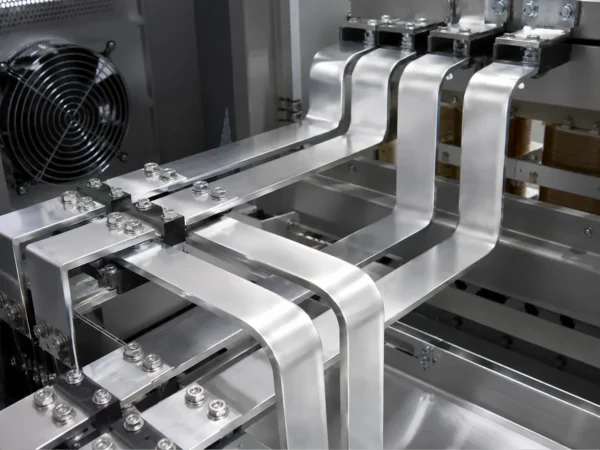


Commercially Pure Aluminum Plate for Forming, Conductivity and Corrosion Resistance
1050 aluminum sheet and plate is a 1xxx series commercially pure aluminum alloy with 99.5% minimum aluminum content. It is known for excellent corrosion resistance, high thermal and electrical conductivity, good ductility and superior workability.
Gengfei Aluminum supplies 1050 aluminum sheet and plate in multiple tempers including F, O, H12, H14, H16, H18, H19, H22, H24, H26, H28, H111 and H112. Thickness, width, length, cutting size, surface finish and export packaging can be customized for different industrial projects.
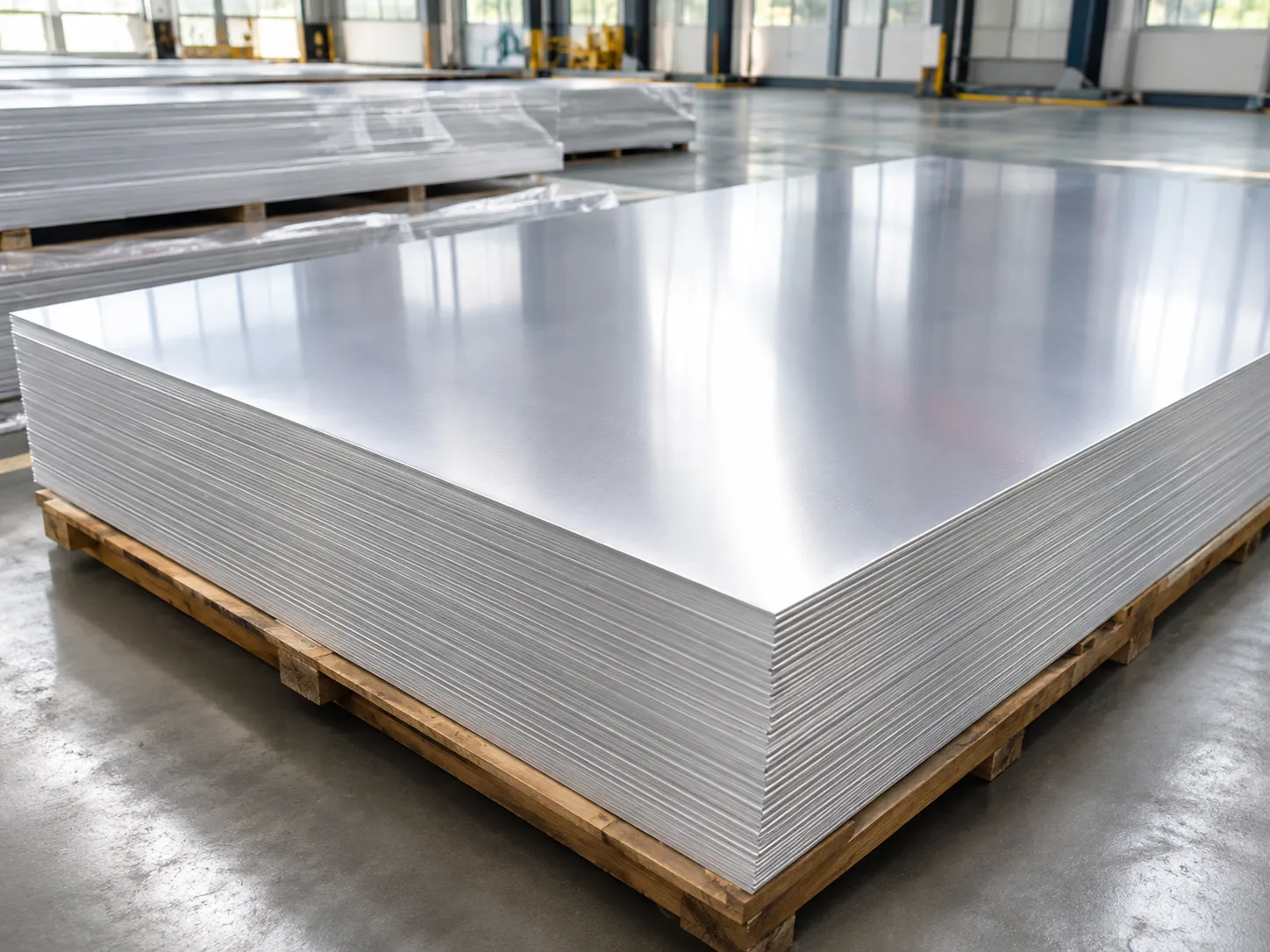
1050 Aluminum Sheet and Plate Overview
1050 aluminum is a commercially pure wrought aluminum alloy from the 1000 series. With a minimum aluminum content of 99.5%, it provides excellent corrosion resistance, high electrical conductivity, high thermal conductivity and outstanding forming performance.
Unlike heat-treatable aluminum alloys, 1050 aluminum obtains its strength mainly through cold working. It is commonly selected for applications where conductivity, formability, lightweight performance and surface appearance are more important than high mechanical strength.
| Product Type | Aluminum Sheet, Aluminum Plate, Custom Cut Plate | Alloy Grade | 1050 |
|---|---|---|---|
| Alloy Series | 1xxx Series Commercially Pure Aluminum | Aluminum Content | 99.5% Min. |
| Thickness | 0.1mm – 500mm | Width | 100mm – 2650mm |
| Length | Up to 16000mm | Temper | F, O, H12, H14, H16, H18, H19, H22, H24, H26, H28, H111, H112 |
| Surface Finish | Mill finish, polished, brushed, coated, anodized | Standards | ASTM B209 / GB/T 3880 |
| Certificates | ISO9001:2015, CE, ROHS | Packaging | Export wooden pallet / seaworthy packing |
| Typical Applications | Electrical bus bars, heat sinks, chemical equipment, food packaging, roofing, cladding, nameplates, reflectors and general sheet metal work | ||
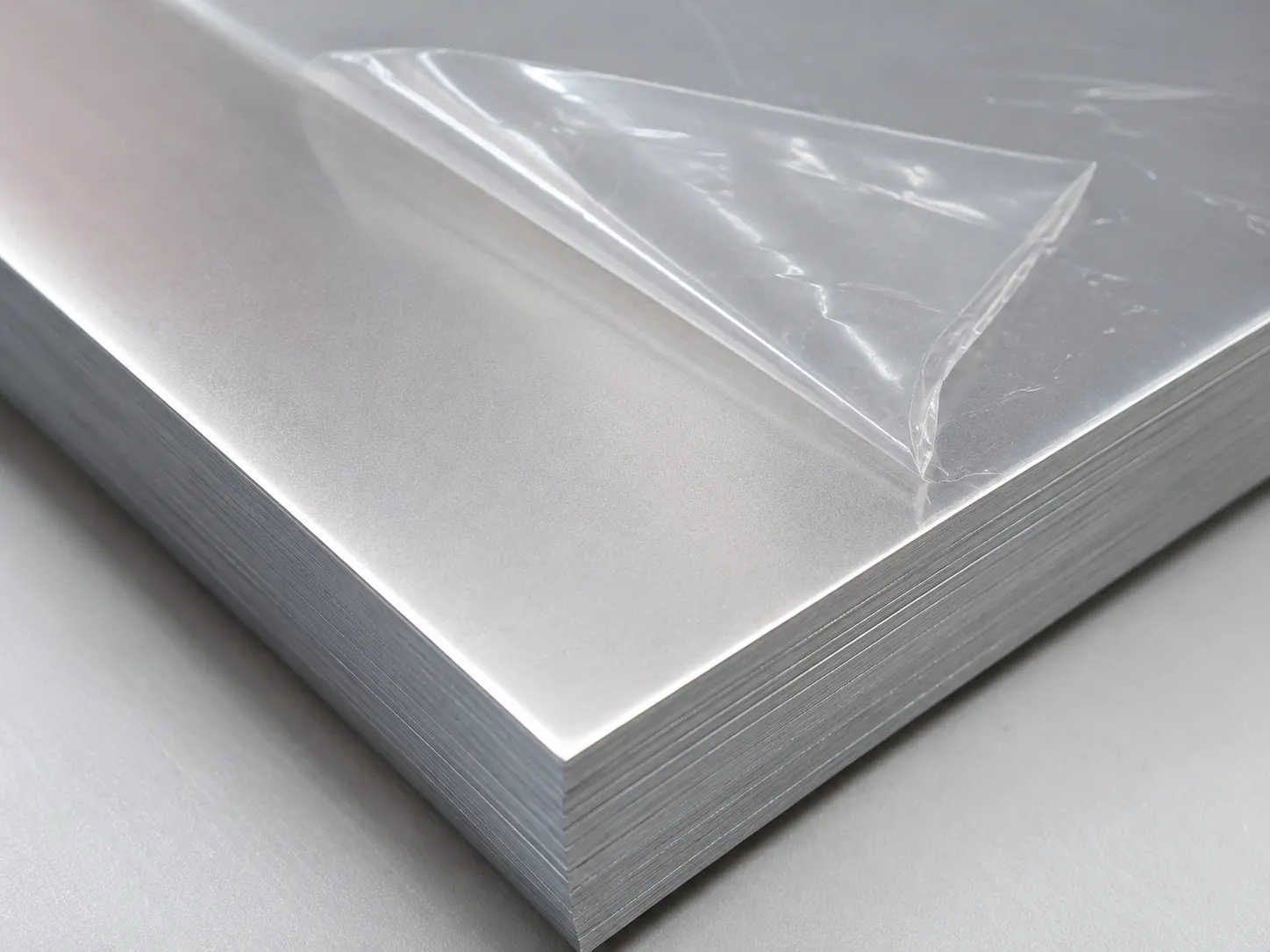
1050 Aluminum Sheet / Plate Specifications
Specifications can be customized according to alloy, temper, thickness, width, length, surface finish, tolerance and application requirements.
| Alloy | Temper | Thickness | Width | Length | Surface Finish | Typical Applications |
|---|---|---|---|---|---|---|
| 1050 | F, O, H12, H14, H16, H18, H19, H22, H24, H26, H28, H111, H112 | 0.1mm – 500mm | 100mm – 2650mm | Up to 16000mm | Mill finish, polished, brushed, coated, anodized | Electrical parts, chemical equipment, heat sinks, packaging, cladding, reflectors, nameplates |
1050 Aluminum Chemical Composition
1050 aluminum contains 99.5% minimum aluminum with controlled levels of iron, silicon and other minor elements.
| Alloy | Al | Fe | Si | Cu | Mn | Mg | Zn | Ti | Others |
|---|---|---|---|---|---|---|---|---|---|
| 1050 | ≥99.5 | ≤0.40 | ≤0.25 | ≤0.05 | ≤0.05 | ≤0.05 | ≤0.05 | ≤0.03 | ≤0.15 |
Typical Properties of 1050 Aluminum Sheet / Plate
The following values are typical reference ranges. Final performance may vary depending on temper, thickness, processing condition and applicable standard.
| Temper | Tensile Strength | Yield Strength | Elongation | Typical Feature |
|---|---|---|---|---|
| O | 60 – 100 MPa | Approx. 30 MPa | 20% – 30% | Soft annealed condition with excellent forming performance |
| H14 | 105 – 145 MPa | 85 – 120 MPa | 2% – 7% | Half-hard temper for general sheet metal applications |
| H18 | ≥135 MPa | ≥120 MPa | ≥1% | Fully hard temper where higher strength is required |
| Physical Property | Typical Value | Unit | Meaning for Application |
|---|---|---|---|
| Density | 2.71 | g/cm³ | Lightweight material for transportation, panels and equipment parts |
| Melting Point | Approx. 650 | °C | Suitable for common industrial forming and processing conditions |
| Thermal Conductivity | Approx. 222 | W/m·K | Good for heat dissipation and thermal transfer parts |
| Electrical Conductivity | 59.5 – 63 | % IACS | Suitable for bus bars, conductive parts and electrical components |
| Modulus of Elasticity | Approx. 71 | GPa | Provides stable performance for formed sheet components |
| Thermal Expansion | 24 × 10-6 | /K | Useful reference for thermal design and assembly matching |
Advantages of 1050 Aluminum Sheet / Plate
1050 aluminum is mainly selected when corrosion resistance, formability, conductivity and surface appearance are key requirements.
High Purity
1050 aluminum contains 99.5% minimum aluminum, providing reliable purity and stable material performance.
Excellent Formability
Soft and ductile material suitable for bending, stamping, deep drawing and general sheet metal fabrication.
Corrosion Resistance
Good resistance to atmospheric corrosion and many industrial environments, suitable for indoor and outdoor use.
High Conductivity
High electrical and thermal conductivity makes it suitable for electrical parts, heat sinks and heat transfer components.
Lightweight
With a density of about 2.71 g/cm³, aluminum helps reduce weight compared with steel materials.
Good Surface Finish
Mill finish, polished, brushed, anodized or coated surfaces are available for functional and decorative use.
Easy Welding
Good weldability and workability support different fabrication processes and equipment manufacturing needs.
Recyclable Material
Aluminum is recyclable and suitable for projects requiring sustainable material solutions.

High Electrical and Thermal Conductivity
One of the most important advantages of 1050 aluminum is its high conductivity. It is widely used for electrical components, bus bars, transformer windings, heat sinks, lighting reflectors and thermal transfer parts.
- Electrical conductivity: suitable for conductive components and electrical cabinet parts.
- Thermal conductivity: supports heat dissipation and heat transfer applications.
- Lightweight design: reduces component weight while maintaining practical conductivity.
- Good processability: can be cut, bent and formed for customized parts.
- Stable surface: supports polished, anodized or coated finishing requirements.
Applications of 1050 Aluminum Sheet and Plate
1050 aluminum sheet is used in industries that require good corrosion resistance, high conductivity, clean surface finish and excellent forming performance.

- Electrical Industry: bus bars, transformer windings, wiring components and conductive parts.
- Chemical Industry: storage tanks, pipelines, processing equipment and corrosion-resistant components.
- Food & Beverage: packaging, utensils, cookware parts and conveyor system components.
- Construction: roofing, cladding, facades, gutters, trim and decorative panels.
- Automotive: heat shields, battery components, lightweight panels and formed parts.
- Consumer Goods: appliance casings, signs, nameplates, labels and decorative components.
- Electronics: heat sinks, electronic enclosures and lithium-ion battery-related parts.
Custom Processing and Surface Treatment
Gengfei Aluminum can supply 1050 aluminum sheet and plate in standard sizes or custom cut sizes. Processing support helps customers reduce additional handling and improve production efficiency.
- Custom cutting to required length and width
- Slitting, shearing and edge processing support
- Bending, stamping and forming-friendly material condition
- Mill finish, polished, brushed, coated or anodized surface
- Protective film available for surface protection
- Wooden pallet and seaworthy export packaging
- Packaging photos and shipment document support

1050 Aluminum Compared with Other Aluminum Sheets
Different aluminum alloys are selected based on strength, corrosion resistance, conductivity, formability, welding and machining requirements.
| Alloy Series | Main Components | Key Characteristics | Typical Applications |
|---|---|---|---|
| 1xxx Series | Pure Aluminum | Excellent conductivity, high corrosion resistance, excellent formability, low strength | Electrical parts, heat sinks, packaging, reflectors, general sheet metal work |
| 3xxx Series | Al-Mn | Better strength than pure aluminum, good formability and weldability | Roofing, siding, storage tanks, HVAC, kitchen equipment |
| 5xxx Series | Al-Mg | Excellent seawater corrosion resistance and moderate to high strength | Marine, pressure vessels, shipbuilding, fuel tanks, transportation |
| 6xxx Series | Al-Mg-Si | Balanced strength, machinability and weldability, heat-treatable | Frames, machinery parts, automotive parts, structural components |
| 7xxx Series | Al-Zn-Mg-Cu | Very high strength, often requires surface protection | Aerospace components, racing parts, high-end molds and tooling |


Export Packaging for 1050 Aluminum Sheet / Plate
To protect aluminum sheet and plate during transportation, Gengfei Aluminum can provide protective film, moisture-proof wrapping, wooden pallets, corner protection, steel strapping and seaworthy packaging according to order requirements.
- Protective surface film available
- Moisture-proof and dust-proof wrapping
- Wooden pallet or wooden case support
- Corner protection for sheet and plate edges
- Steel or plastic strapping for stable loading
- Container loading support for export shipments
Frequently Asked Questions
What is 1050 aluminum sheet mainly used for?
1050 aluminum sheet is mainly used for electrical bus bars, heat sinks, chemical equipment, food packaging, roofing, cladding, reflectors, nameplates and general sheet metal fabrication.
Is 1050 aluminum heat-treatable?
No. 1050 aluminum is not a heat-treatable alloy. Its strength is mainly improved by cold working, such as rolling and strain hardening.
Which temper should I choose for forming?
O temper is usually preferred for deep drawing, bending and applications requiring maximum ductility. H14 and H18 are used when higher hardness and strength are required.
Can you supply custom cut sizes?
Yes. Thickness, width, length and cutting size can be customized according to your drawings, processing requirements or project specifications.
What is the difference between 1050 and 3003 aluminum?
1050 aluminum provides higher purity, better conductivity and excellent formability. 3003 aluminum has higher strength and is commonly used when better general-purpose mechanical performance is needed.
Is 1050 aluminum suitable for outdoor use?
Yes. 1050 aluminum has good corrosion resistance and can be used in many outdoor and humid environments. Surface treatment such as anodizing or coating can further improve appearance and protection.