Mill Finish Aluminum Sheet and Coil for EV Battery Enclosure Manufacturing
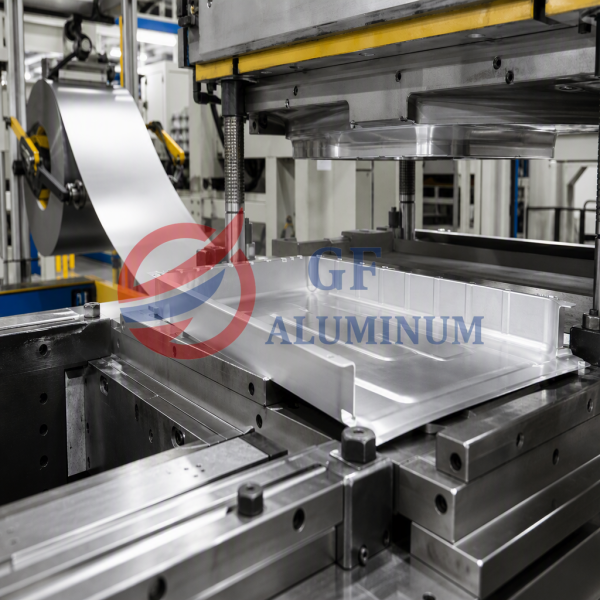
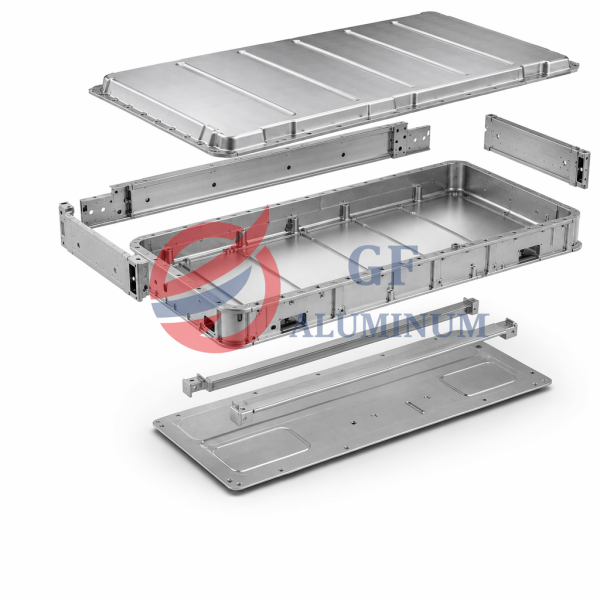
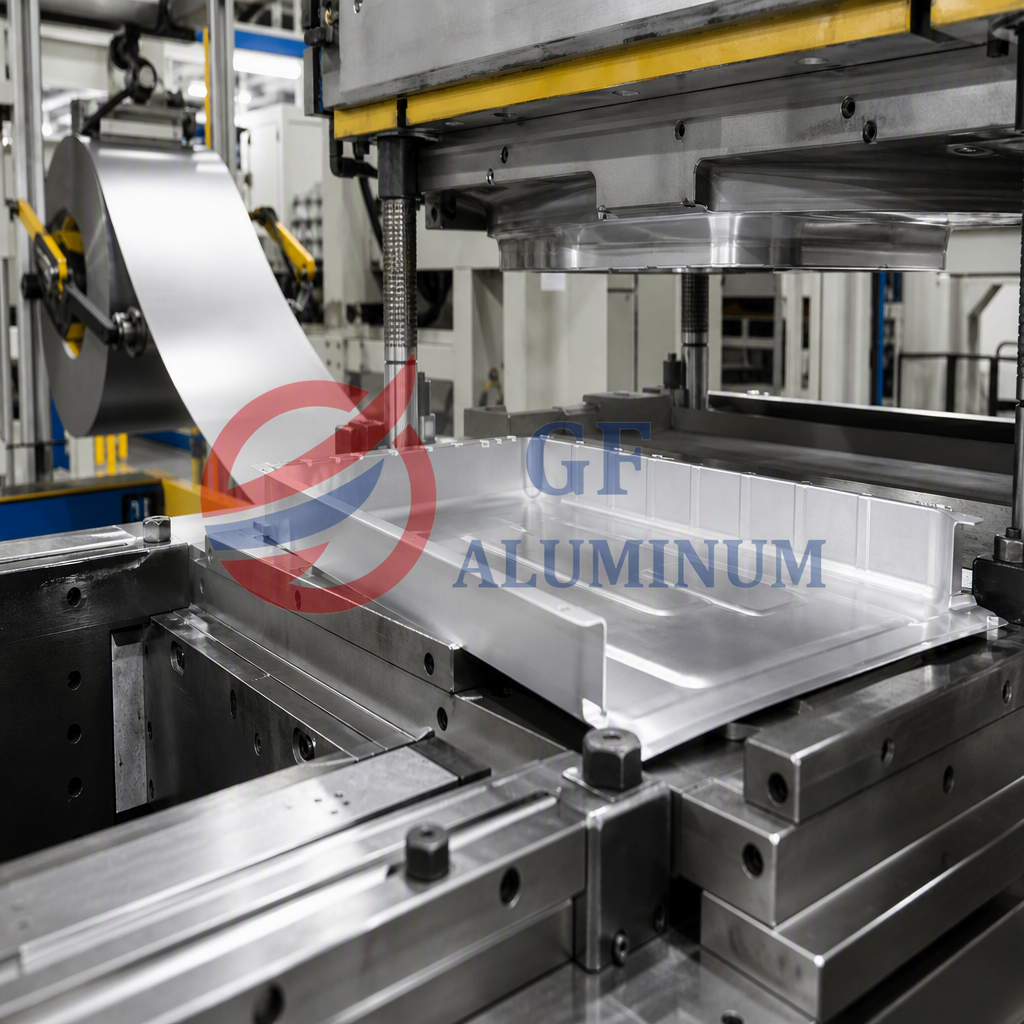
Aluminum sheet and coil are used as material for electric vehicle battery enclosure manufacturing. The material can support downstream stamping, forming, welding and assembly processes for battery trays, covers, lower protection panels, side frames, and reinforcement parts.
GF Aluminum supplies mill finish aluminum materials in selected 5xxx and 6xxx series grades. Typical reference alloys include 5052, 5754, 6061, 6063 and 6016. Thickness, width and alloy selection can be discussed according to the required enclosure structure and production process.
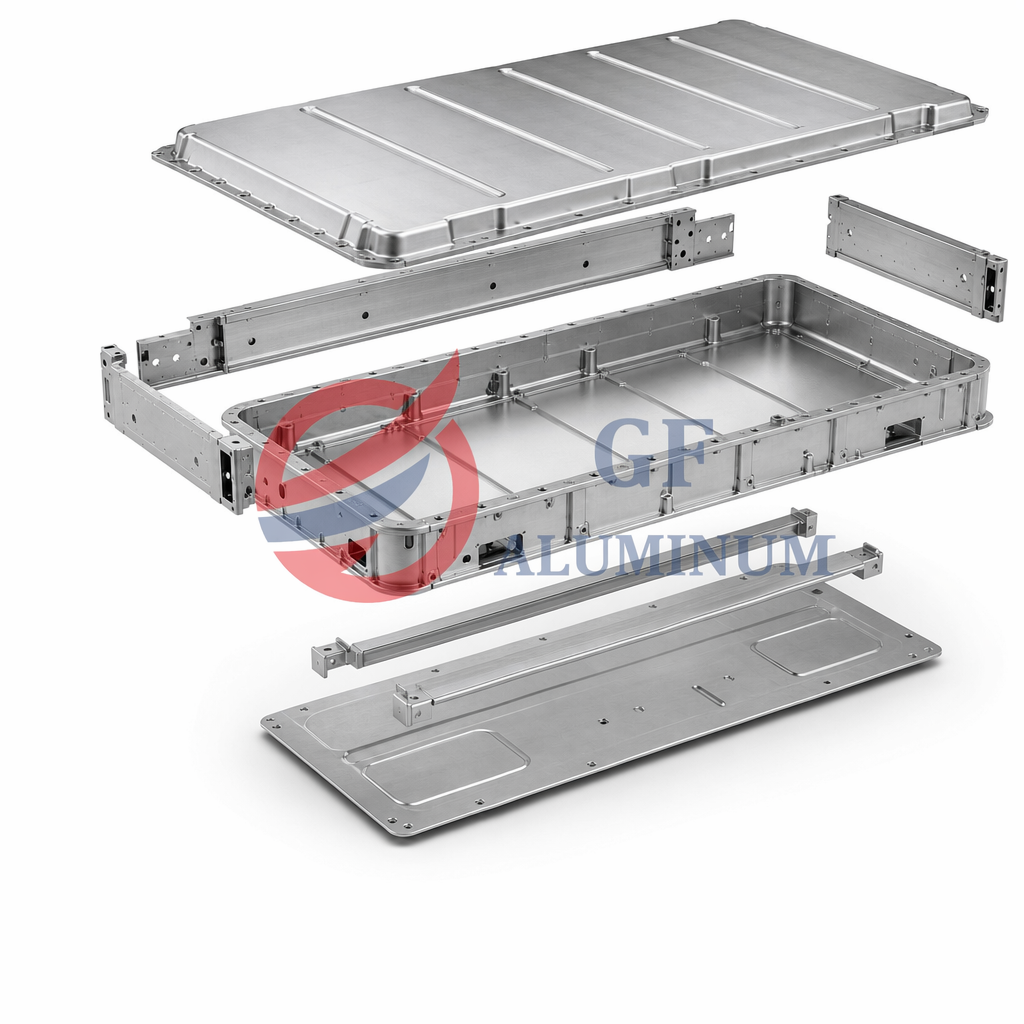
Aluminum Materials for Automotive Battery Enclosures
Battery enclosure systems require a combination of structural strength, corrosion resistance, weldability, formability, dimensional stability and sealing performance. Aluminum provides a lightweight material option for enclosure structures, while the final design and production process determine the appropriate alloy, temper and thickness.
Mill finish aluminum sheet and coil provide a flexible starting condition for battery enclosure manufacturing. The material can be processed through stamping, forming, welding and assembly according to the customer’s drawings and production requirements. This product page describes material supply, not a finished vehicle battery enclosure or a certified safety system.
| Product Type | Aluminum sheet and coil for automotive battery enclosures | Alloy Series | 5xxx series and 6xxx series |
|---|---|---|---|
| Typical Alloys | 5052, 5754, 6061, 6063, 6016 | Temper | H temper / T temper depending on application |
| Thickness | Available upon request; customizable | Width | Custom widths supported |
| Supply Form | Sheet and coil | Surface Condition | Mill finish |
| Processing | Stamping, forming, welding and assembly support according to requirements | Customization | Alloy, thickness and width selection |
| Typical Applications | Battery trays, battery covers, enclosure housings, lower protection panels, side frames and reinforcement parts | ||
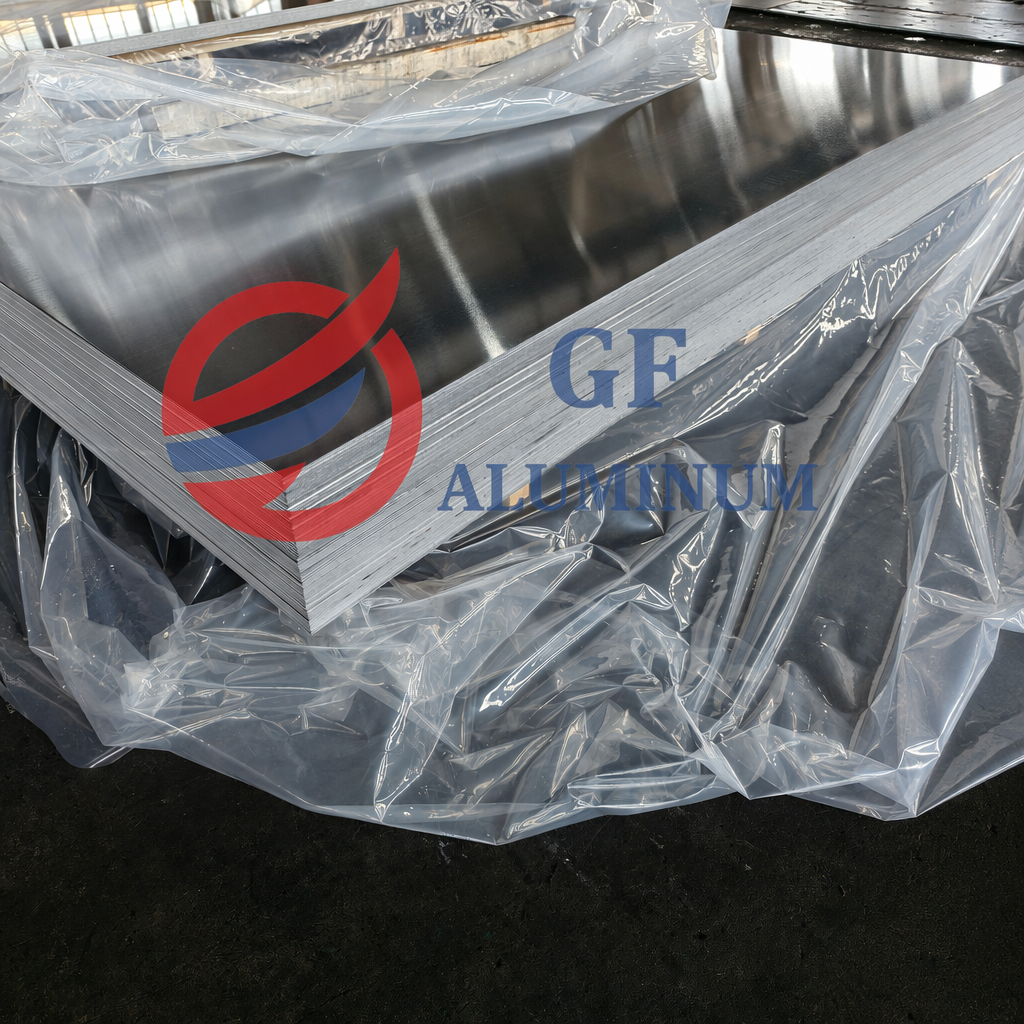
Aluminum Battery Enclosure Material Specifications
The following specifications are based on the supplied product information. Final values depend on the selected alloy, temper, thickness, width, forming method and enclosure design.
| Alloy Series | Typical Alloys | Temper | Thickness | Width | Supply Form | Surface Condition |
|---|---|---|---|---|---|---|
| 5xxx Series | 5052, 5754 | H temper depending on application | Available upon request | Custom widths supported | Sheet and coil | Mill finish |
| 6xxx Series | 6061, 6063, 6016 | T temper depending on application | Available upon request | Custom widths supported | Sheet and coil | Mill finish |
5xxx and 6xxx Aluminum Alloys for Battery Enclosures
Alloy selection should be based on the required balance of corrosion resistance, weldability, formability, strength and processing stability.
5xxx Series Aluminum
The supplied product information lists 5052 and 5754 as typical 5xxx series options for battery enclosure applications requiring corrosion resistance, weldability and formability.
- Reference alloys: 5052 and 5754
- Selection focus: Corrosion resistance, weldability and formability
- Referenced uses: Battery trays, covers, housings and formed enclosure parts
6xxx Series Aluminum
The supplied product information lists 6061, 6063 and 6016 as typical 6xxx series options for structural enclosure parts requiring a balance of strength and processing stability.
- Reference alloys: 6061, 6063 and 6016
- Selection focus: Strength and processing stability
- Referenced uses: Side frames, reinforcement parts and structural enclosure components
Material Advantages for Battery Enclosure Manufacturing
These points summarize the material characteristics and production considerations included in the supplied product information.
01
Lightweight Material
Aluminum provides a lightweight material option for enclosure structures and vehicle battery system components.
02
Good Formability
Selected aluminum sheet and coil can support stamping, forming and complex enclosure structures.
03
Corrosion Resistance
5xxx and 6xxx series options can be selected according to the required corrosion environment and enclosure design.
04
Weldable Options
Selected grades can be considered for enclosure structures requiring welding and assembly processes.
05
Mill Finish Surface
Mill finish provides a flexible starting surface for later processing, welding or customer-specified coating.
06
Sheet and Coil
Both sheet and coil supply forms are listed for different production, cutting and handling requirements.
07
Custom Selection
Alloy, thickness and width can be discussed according to the enclosure structure and production process.
08
Production Flexibility
The mill finish condition allows downstream stamping, forming, welding and assembly processes to be selected by the customer.
Applications of Aluminum Automotive Battery Enclosures
The following applications are taken from the supplied product information and refer to aluminum materials used in battery enclosure manufacturing.
- Battery tray structures: Load-bearing structures designed to support and house the battery pack.
- Battery covers and housings: Enclosure parts requiring dimensional accuracy, forming stability and suitable surface quality.
- Lower battery protection panels: Lightweight panels used as part of the lower protection structure.
- Side frames: Structural enclosure parts used to support the overall housing design.
- Reinforcement parts: Components used where additional rigidity and structural support are required.
Processing Options for Battery Enclosure Materials
Mill finish aluminum sheet and coil can be used as a starting material for battery enclosure production. The specific process depends on the selected alloy, temper, thickness, enclosure design and customer production line.
- Stamping and forming for tray, cover and panel structures
- Welding and assembly according to the enclosure design
- Custom thickness, width and alloy selection
- Sheet or coil supply according to production requirements
- Custom cutting and sizing subject to technical confirmation
- Later coating or surface treatment can be specified after the mill finish supply condition
5xxx and 6xxx Aluminum Selection Guide
The two alloy series should be selected according to the actual forming, welding, strength and corrosion requirements of the enclosure component.
| Alloy Series | Reference Alloys | Selection Focus | Referenced Applications |
|---|---|---|---|
| 5xxx Series | 5052, 5754 | Corrosion resistance, weldability and formability | Battery trays, covers, housings and formed enclosure parts |
| 6xxx Series | 6061, 6063, 6016 | Strength and processing stability | Side frames, reinforcement parts and structural enclosure components |

Protective Packaging for Aluminum Sheet and Coil
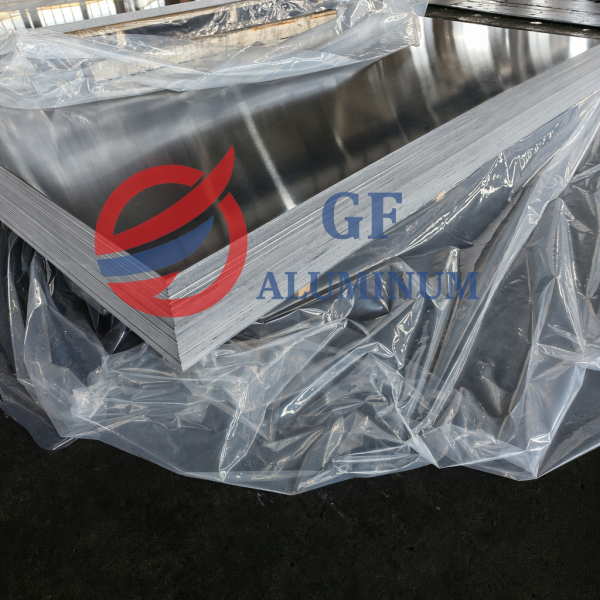
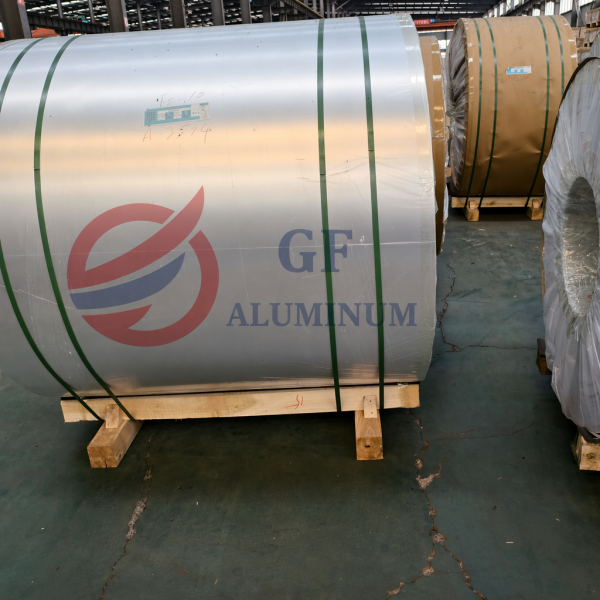
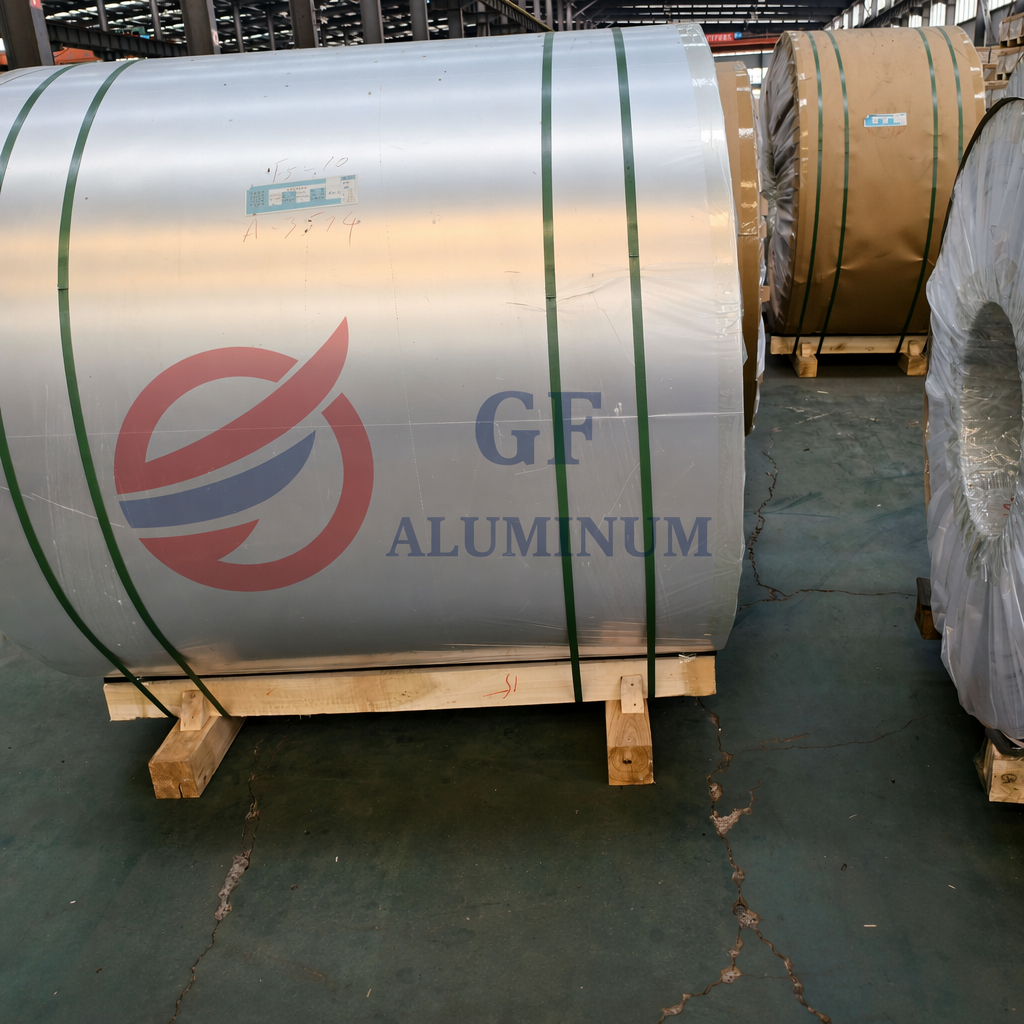
Aluminum sheet and coil should be protected during handling and transportation according to the product form and surface requirements. The supplied image shows protective wrapping, pallet support and strapping for aluminum materials.
- Protective wrapping for sheet and coil materials
- Pallet support for stable handling
- Strapping according to loading requirements
- Surface protection arrangements to be confirmed before production
- Final packing details to be confirmed according to shipment requirements